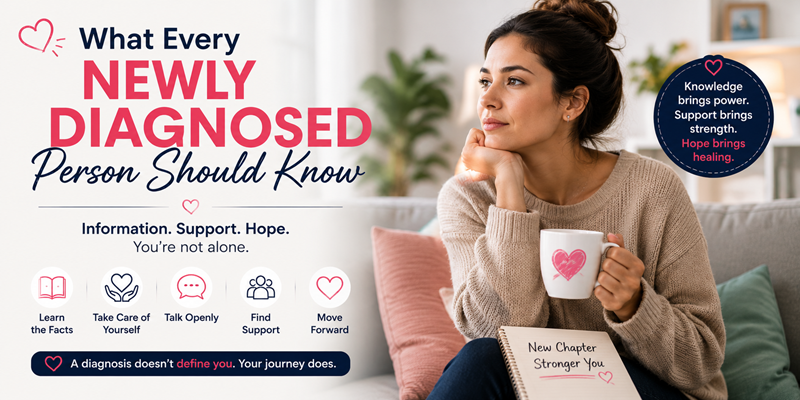
What Every Newly Diagnosed Person Should Know About HSV
Hearing the words “You have herpes” can be overwhelming. It’s natural to feel shocked, confused, anxious, or even isolated after receiving an HSV diagnosis. Many people immediately worry about how the diagnosis will affect their relationships, future, and self-confidence.
The good news is that herpes is a common and manageable condition. Millions of people around the world live healthy, active, and fulfilling lives with HSV. With accurate information, proper medical care, and emotional support, you can continue pursuing your goals, building meaningful relationships, and enjoying life.
If you’ve recently been diagnosed, this guide explains what you should know and how to move forward with confidence.
Take a Deep Breath
Your first reaction may be fear or disbelief.
Many newly diagnosed people assume their dating life is over or that others will judge them forever. These thoughts are common, but they are rarely true.
Herpes does not define your personality, your future, or your ability to find happiness.
Give yourself time to process your emotions and remember that you are still the same person you were before your diagnosis.
You’re Not Alone
One of the most important things to understand is that HSV is extremely common.
Millions of Americans are living with HSV, and many don’t even know they have it because symptoms can be mild or completely absent.
People from every age group, profession, and background live with herpes.
Knowing you’re not alone can help reduce feelings of isolation and shame.
Learn the Facts About HSV
Understanding herpes helps replace fear with confidence.
HSV generally exists in two forms:
HSV-1 commonly causes oral herpes but can also affect the genital area.
HSV-2 most often causes genital herpes, although every person’s experience is different.
Many people experience occasional outbreaks, while others rarely notice symptoms.
Learning about HSV from reliable medical sources allows you to make informed decisions about your health.
Follow Your Healthcare Provider’s Advice
Your healthcare provider can help you understand your diagnosis and recommend the best treatment plan.
Depending on your situation, they may discuss:
- Antiviral medications
- Managing outbreaks
- Reducing transmission risk
- Recognizing symptoms
- Regular health checkups
If you have questions, don’t hesitate to ask. Accurate information is one of the best ways to regain confidence.
Don’t Blame Yourself
Many people blame themselves after learning they have herpes.
The truth is that HSV is very common, and anyone sexually active can be exposed.
Because herpes can be transmitted even when no symptoms are present, many people never know when or from whom they acquired the virus.
Blaming yourself doesn’t change the diagnosis, but accepting it allows you to focus on moving forward.
Your Relationships Are Not Over
One of the biggest fears after diagnosis is dating.
Many people worry that no one will accept them.
In reality, thousands of couples begin relationships every day after an HSV diagnosis.
Honest communication, trust, and mutual respect are far more important than HSV status.
The right partner will appreciate you for your character, kindness, and values.
Learn How to Talk About HSV
Discussing herpes with a potential partner may seem intimidating at first.
Most healthcare professionals recommend having this conversation before becoming sexually intimate.
Choose a calm, private setting where both of you have time to talk openly.
Share factual information, answer questions honestly, and allow your partner time to process the conversation.
Many people discover that these discussions strengthen trust rather than weaken relationships.
Take Care of Your Physical Health
Healthy habits can support your overall well-being.
Consider:
- Getting enough sleep
- Managing stress
- Eating balanced meals
- Staying physically active
- Drinking enough water
- Following your prescribed treatment plan
Many people find that reducing stress also helps them feel more in control of their health.
Emotional Health Matters Too
An HSV diagnosis affects emotional well-being just as much as physical health.
You may experience sadness, anger, embarrassment, or anxiety.
These feelings usually improve as you learn more about HSV and realize that your life can continue normally.
Talking with trusted friends, counselors, or support communities can make the adjustment much easier.
Be Careful About Online Information
The internet contains a great deal of misinformation about herpes.
Choose information from trusted healthcare organizations and qualified medical professionals.
Avoid believing frightening stories or unsupported claims that increase unnecessary fear.
Reliable education helps you make confident decisions.
Build Your Confidence Again
Confidence often takes time to rebuild after diagnosis.
Remember that herpes is only one small part of your life.
People are attracted to qualities such as:
- Kindness
- Honesty
- Humor
- Confidence
- Compassion
- Respect
- Shared values
These qualities matter far more than an HSV diagnosis.
Join a Supportive Community
Many newly diagnosed people find comfort by connecting with others who understand their experiences.
Support communities provide opportunities to:
- Share experiences
- Ask questions
- Learn practical advice
- Build friendships
- Gain emotional support
Knowing you’re part of a community can help replace fear with hope.
Dating with HSV Can Be Positive
Dating may feel different at first, but it can still be enjoyable and rewarding.
Many people choose HSV-focused dating communities because they allow members to connect with others who understand life with herpes.
These communities reduce anxiety around disclosure and allow relationships to develop naturally through shared interests and meaningful conversations.
Why HSVMatchUSA Can Help
HSVMatchUSA is designed to bring together people living with HSV in a respectful and supportive environment.
Members can create private profiles, meet local HSV singles, exchange messages, and build genuine relationships based on honesty and mutual understanding.
Whether you’re looking for friendship, companionship, or a long-term relationship, you’ll find people who understand your journey.
Your Future Is Still Bright
Receiving an HSV diagnosis may feel like the end of one chapter, but it can also be the beginning of another.
Millions of people living with herpes have successful careers, loving relationships, healthy families, and fulfilling lives.
You deserve happiness, respect, and love just like anyone else.
Take one step at a time, continue learning, and remember that your diagnosis does not define your future.
Frequently Asked Questions
Is life normal after a herpes diagnosis?
Yes. Most people living with HSV continue to enjoy healthy relationships, successful careers, and active lifestyles.
Can I still date if I have herpes?
Absolutely. Many people living with HSV build meaningful, long-term relationships through honest communication and mutual respect.
Should I tell my future partner?
Yes. Healthcare professionals generally recommend discussing your HSV status before becoming sexually intimate so both partners can make informed decisions.
Where can I meet people who understand HSV?
Many people join trusted HSV dating communities like HSVMatchUSA to meet others with shared experiences in a respectful and supportive environment.

Related Posts

The Complete Guide to HSV Dating in the USA